Music Ownership - Private Equity in Disguise
This topic had me pondering the first time I explored how in the world Paul McCartney became a billionaire. Seems like there is a familiar underlying in all of this.
...
Right off the bat, most people, especially those who aren’t deep in the world of finance, think music is all about hit songs, streaming numbers, and sold-out arenas. Honestly, take away the glamorous side, and what you’ll find is a pretty complex business built around creating assets, deciding where money goes, and making the most of intellectual property. If you’re someone who works in corporate finance, private equity, or alternative investments, it’s impossible to ignore the similarities: music rights as an alternative asset.
Look back at the traditional major-label contract, and it pretty much plays the role of a tough, founder-unfriendly term sheet. Labels acted like senior secured lenders, fronting the cash needed for recording and marketing, but layering on some pretty aggressive terms. Artists saw their 15% royalty shares lumped together and used to cover all expenses, which basically functions as a giant liquidation preference. The label kept the equity (the master recordings) forever, while the artist took on all the operational risk.
But of course, some figured out something key: the real money isn’t about working harder, it’s about becoming an owner. They took their creative success and turned it into classic private equity moves, right out of the textbook.
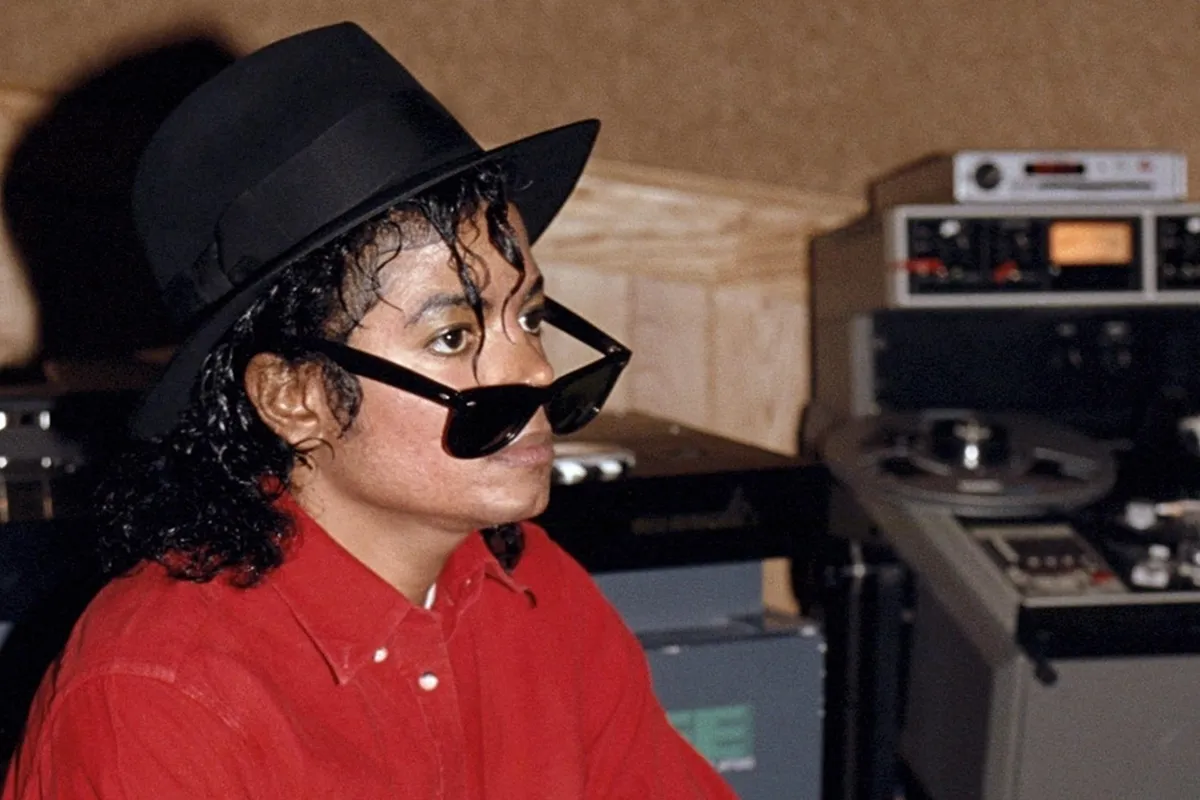
Take Michael Jackson, for example. The guy used the wild success and cash flow from Thriller to negotiate a killer royalty structure, but he didn’t stop there. He took that capital and bought the ATV/Beatles publishing portfolio for $47.5 million back in 1985, a signature distressed asset deal that later set up a massive joint venture with Sony worth billions.
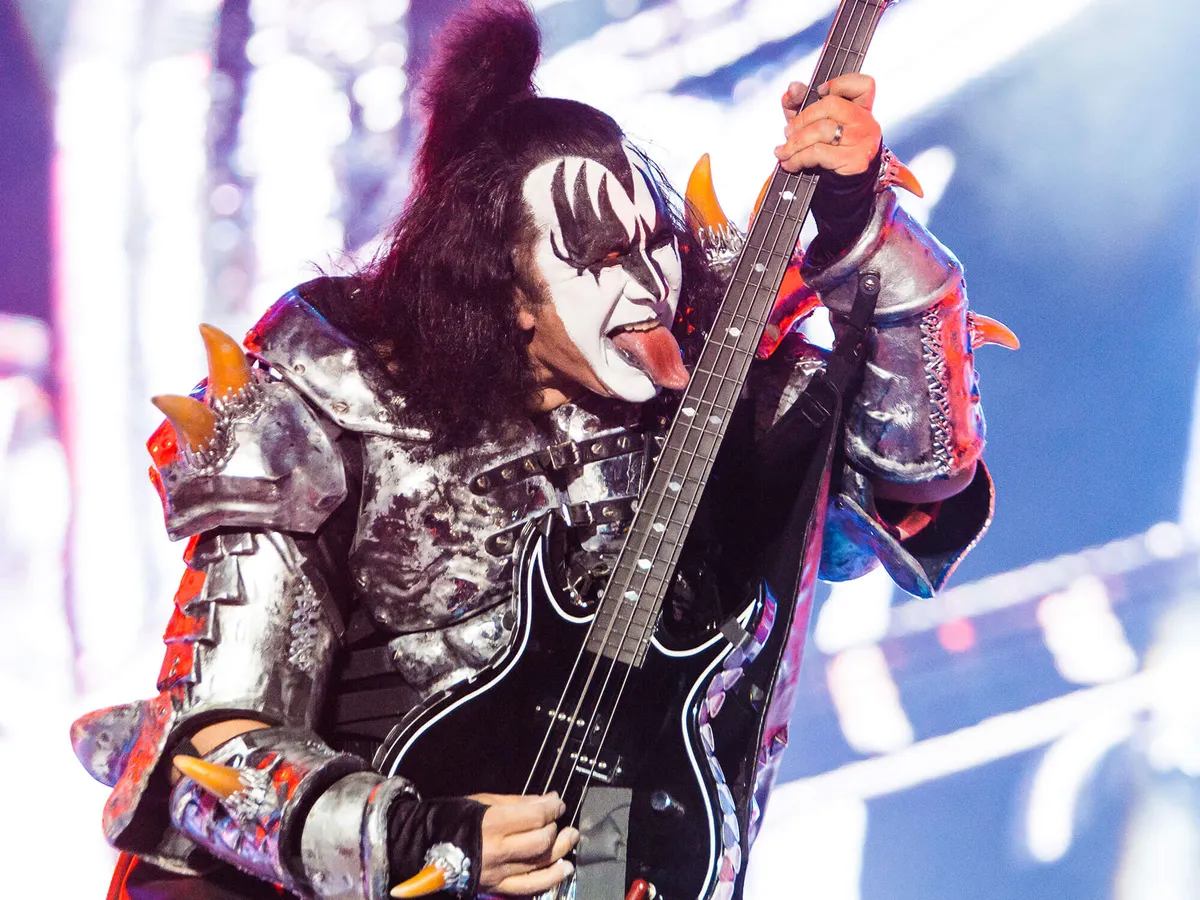
Then you’ve got Gene Simmons with KISS. Simmons ran KISS more like a brand equity firm than a traditional band. He went all-in on trademarking everything from the band’s visual style to their face paint, separating the money made from performances from the money made on brand licensing. This approach paid off big-time, eventually leading to a $300 million corporate exit to Pophouse Entertainment.
Now look at artists like Russ and Chance the Rapper. These modern independent stars run their own operations like single-family offices. They avoid label debt, use flat-fee digital distributors, and keep full ownership of their masters and publishing. Sure, they take less upfront investment, but it leads to massive net margins, almost 90%. Their catalogs end up functioning like a portfolio of cash-generating real estate. And we can go on and on about such examples (one can even tie this to the famous Taylor Swift vigilante move)
As alternative asset managers chase more non-correlated returns, music catalogs are cemented as top-tier institutional assets. Streaming has changed the game, turning those unpredictable hits into steady, annuity-like income streams. Whether you’re evaluating a mid-sized company or a world-famous discography, the main playbook is the same: cut out the middlemen, keep costs tight, protect your reversion rights, and, above everything else, own the asset at the core.
Thank you for reading through! See ya!