The $700 million contract that isn’t really $700 million
“He asked to be paid last.”
...
I’ve never really been a baseball fan. Give me a tennis final or a boxing card, and I’ll be better hooked, but baseball has never really pulled me in. Shohei Ohtani did anyway. I first came across him, probably in 2024, through a YouTube clip of the 2023 World Baseball Classic final: Japan against the USA, last inning, Ohtani on the mound, facing Mike Trout, who’s arguably America’s top hitter. Full count, one nasty slider, Trout strikes out, and Ohtani just stands there, total star power. And then just yesterday, I spotted him in a Seiko commercial and fell down the internet rabbit hole, specifically surrounding Ohtani's famous well-nuanced contract signing. And since I spend my days around private wealth and finance, I kept ending up at the same question: how does a baseball contract end up looking like this?
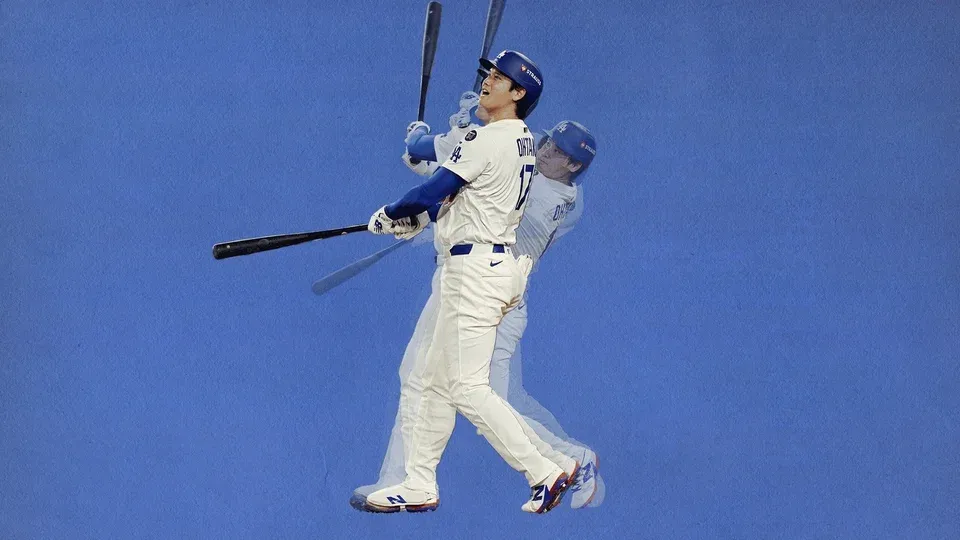
Firstly, who he is. Shohei Ohtani is a Japanese baseball player, and he does something almost nobody does... he pitches, and he hits, both at an elite level, also called a "two-way" player. The last person who did anything like it was Babe Ruth a century ago, who is notably regarded as the greatest baseball player. Ohtani won the MVP by unanimous vote in 2023, then broke another record in 2024, hitting 50 home runs and stealing 50 bases in a single season, the first player to do so. I mean... since 2021, he’s basically been the poster boy of the sport. His journey, from relentlessly perfecting his game in Japan to dominating the way he does now, is truly incredible.
Now, contracts in baseball work differently from most sports. There’s no hard salary cap like you see in the NBA or NFL. Teams can go as high as they want with payroll, but if they go past a certain line, they pay a luxury tax to the federation. And in baseball, contracts are fully guaranteed. If a player gets hurt or starts slumping, the team still owes him every penny. Compare that to European football (as most of us know), where huge transfer fees go to clubs, and players earn money through salaries and image rights. In baseball, a player’s price is limited mainly by what one owner is willing to pay.
In December 2023, the LA Dodgers signed Ohtani to a 10-year, $700 million deal, the biggest sports contract at the time. But here’s the kicker... he’s only getting $2 million a year while he’s actually playing, which adds up to $20 million over the decade. The other $680 million? That’s deferred. He’ll get it in installments from 2034 to 2043, and there’s no interest attached.
This detail really got me deep-delving. For the LA Dodgers, baseball’s luxury tax rules count Ohtani’s contract as about $46 million a year, which is more like $460 million in today’s dollars. So, even though the headline is $700 million, it’s really not that high if you think about the value over time. And with this arrangement, the Dodgers lock in a superstar-prodigy while saving payroll room so they can bring in more talent around him. What makes it personal is that Ohtani actually wanted it this way. He has said that winning is more important than money, and he was effectively lending the team a couple hundred million dollars, interest-free, so they could build a stronger roster. It also helps that he can afford it: his endorsements (Seiko, Fanatics, and more) reportedly earn him more each year than most players make in salary. There’s even a tax angle people discuss, since getting paid in 2034 and beyond could mean a lower state tax bill depending on where he lives then (yes, you guessed it right, the retirement angle really).
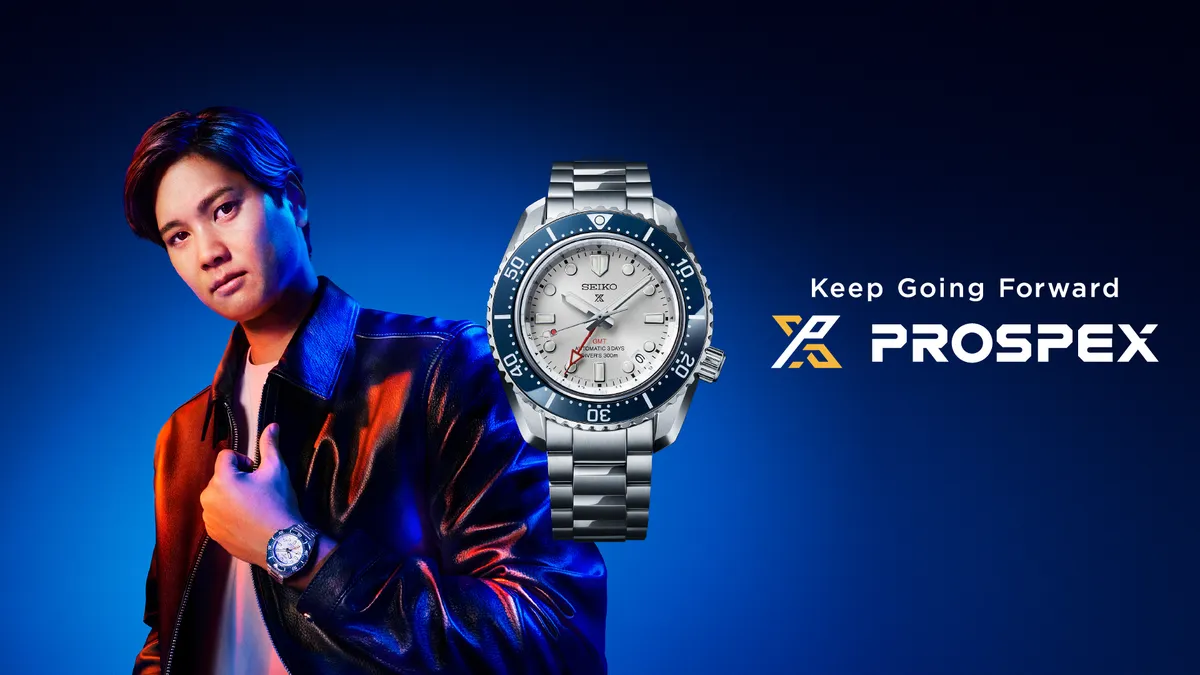
Agreed, other sporting figures have inked bigger deals since (distant "Sui!" can be heard), but there’s something about how Ohtani handled this. An athlete treating his contract like a finance problem, negotiating and choosing to be paid last for the long-term practicality.
Thanks for the read! Be ready with the pitching gloves to catch me on the next.
(If someone's wondering, I had some personal errands; hence I missed out on the September Blog)
Illustration: Jonelle Afurong, The Atlantic↩